

French Christmas Dinner
Unlike Australian celebrations, Christmas in France evokes the winter season, with its roaring fireplaces and hearty dishes to face the cold. And because Christmas is a family celebration but also a culinary one, discover below the typical French Christmas menu, sprinkled with surprising anecdotes about the origins of these traditions.
Starters : refinement and fine ingredients
Oysters
Oysters have been eaten in France since Antiquity, but their presence on Christmas tables dates back to the 19th century thanks to the
railway, which made it possible to send fresh oysters to Paris in winter, the best season to enjoy them. Today, more than 100,000 tonnes
arrive on french tables each year, mainly during the holiday season.
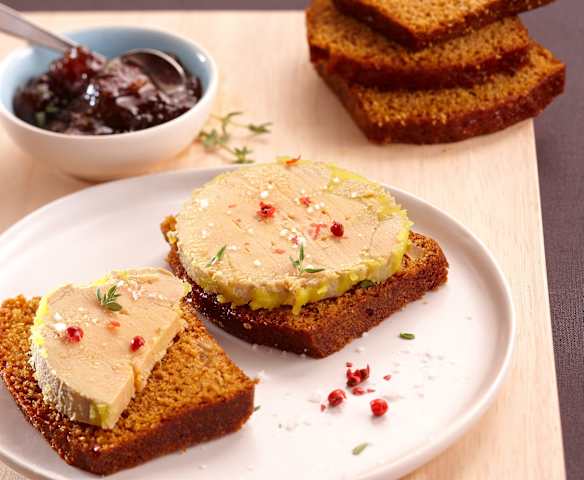
Foie gras
A luxury product par excellence, foie gras has been consumed in France since the 18th century, particularly in Alsace and the South-West. It
was served to impress guests and mark important occasions. Its origin, however, goes back to Ancient Egypt more than 4,500 years ago, where
geese were already being fattened. Although foie gras is one of the most controversial foods in the world (its production is banned in many
countries), the French remain its largest producers and consumers (95% eat it at least once a year).
Smoked salmon
Long reserved for Nordic countries, smoked salmon became popular in France in the 20th century and a holiday classic in the 1970s.
Its presence at Christmas is linked to the religious tradition of eating “lean” for Christmas Eve
(that is, not eating meat) so fish found its place on French tables.

Escargots with parsley butter
Just like salmon, snails were considered to be fish and therefore replaced meat on the Advent table. Cooked with butter, garlic, and
parsley, they are generally served in portions of 6 or 12 per person. The French are the world’s main consumers of snails, a culinary
tradition that often surprises foreigners.
The main course: festive poultry and traditional side dishes
Turkey with chestnuts
Introduced to France in the 16th century from America, turkey gradually replaced other poultry because it was meatier. Served with
chestnuts, it symbolizes a generous and festive meal. The choice of chestnuts is not random: they were a common food in mountainous
regions and kept well during winter. Depending on the family, the main course may also be capon or goose, traditionally cooked slowly so
that people could attend midnight mass while it roasted.
Desserts : sweet treats and symbolic heritage

Yule log (Bûche de Noël)
Originally, the Yule log was not a dessert but an actual piece of wood burned in the
hearth on Christmas night, symbolizing luck and prosperity. The pastry version appeared in the 19th century in the great Parisian
confectioneries, in the form of a rolled cake filled with cream or ganache. Today, Yule logs compete in creativity and are true works of
pastry art.

Papillotes
Born in Lyon in the 18th century, papillotes are chocolates wrapped in decorative paper containing a
message, riddle, or quote. Their origin supposedly comes from a confectioner who wanted to woo a young woman by wrapping chocolates with
love notes. France truly earns its reputation as the country of romance!
Bonus : Some regional traditions

The 13 desserts in Provence
It
is traditional in Provence to have 13 desserts on the table. Each dessert has a specific meaning: dried fruits for the mendicant religious
orders, pompe à l’huile (olive-oil brioche) for sharing, black nougat for the hardships of life, white nougat for its sweetness.
This Provençal custom dates back at least to 1683 and is still respected in local families today.
Bredele in Alsace
These small Christmas biscuits shaped like stars, Christmas trees, or hearts date back to the Middle Ages. Baked during Advent, they fill
the house with fragrance and are offered to visitors. Whether spiced, chocolate-coated, or filled with jam, bredele are an
essential part of Alsatian holiday traditions.
More than just a dinner, Christmas in France blends gastronomy, history and regional customs. From oysters to the Yule log, each dish bears witness to a living heritage passed down from generation to generation. Christmas in France is above all a moment of sharing, indulgence, and memories gathered around the table.