French Slang from Francophone Countries
French is spoken on every continent, but how it's spoken? That’s a whole other story. From the rhythmic twists of Nouri Ivorian to the spirited banter in Belgian cafés, slang adds local color to a global language. Discover the dialects, expressions, and subcultures behind the words all around the world.

Canada - Québec
Québec is a Canadian province known for its French heritage, with Montréal and Québec City as major cultural hubs. It was colonized by France in the 1600s. Even after Britain took control in 1763, the French-speaking population remained dominant. Today, French is protected by law and is the official language, central to Québec’s identity.
Un chum is the equivalent to un mec in France; both mean "boyfriend". To say "gilrfriend",
Québecois use une blonde whereas French say une meuf.
Un char is used to designate voiture , meaning a car.
The expression avoir de la broue dans le toupet litteraly translates to "to have foam in your hair". It is use
figuratively to mean that someone is very busy or overwhelmed. In France, a similar expression être sous l'eau ("to
be under the water").
Belgique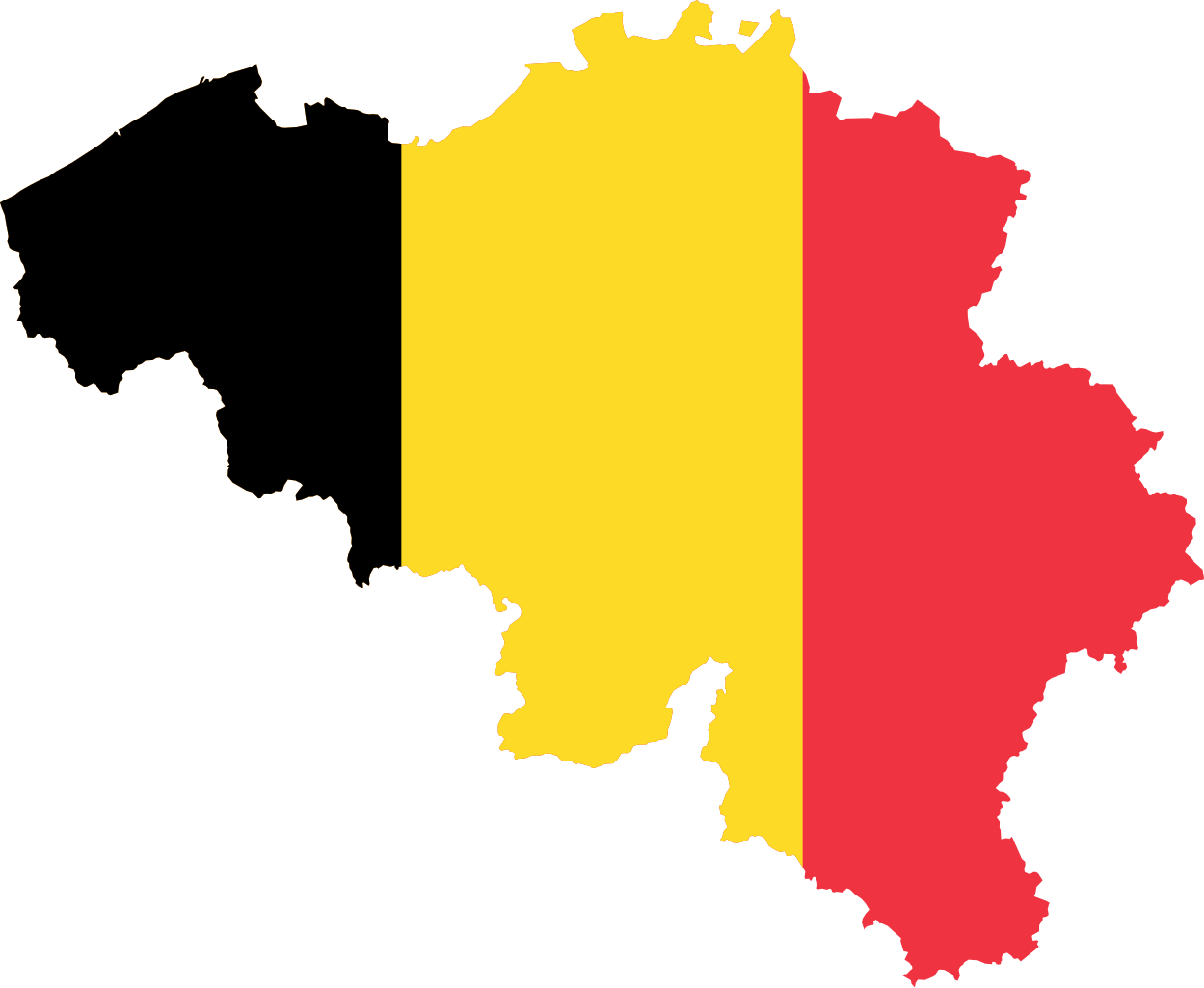
Belgium is a Western European country with Dutch, French, and German as official languages. French became prominent during French rule in the 18th century and remained influential after Belgium’s independence in 1830. Today, it’s mainly spoken in Wallonia and Brussels.
GSM is the abbrevation of "Global System for Mobile Communications" and is commonly used in Belgium for
"mobile phone". In France, it's téléphone portable or simply portable.
In Belgium, people say septante (70) and nonante (90) when counting. In France, these numbers are
expressed as soixante-dix (70) and quatre-vingt-dix (90).
The expression après moi les mouches, which literally means "after me the flies", is used to express
a lack of consideration for the future and a disregard for the consequences of one's actions on others. In France, a
similar expression is après moi le déluge ("after me the flood").
 Suisse
Switzerland is a small, mountainous country in Central Europe. It has four official languages: German, French, Italian, and Romansh. French
is mainly spoken in the western region called Romandy, which borders France. The language became official due to strong historical and
cultural ties with France and has been part of Swiss identity since the Swiss Confederation was founded in 1848. The Swiss
ust the same number system as in Belgium, as previously mentioned.
At the supermarket, you might be asked: voulez-vous un cornet ? meaning, "would you like a bag?" In France,
the word used is sac, or poche in the South of France.
In Switzerland, une fourre de coussin is what the French call : a pillowcase. Similarly, fourre plastique
is used for sheet protectors, whereas in France people say pochette plastique.
Une panosse is
called une serpillière. In English, it's "a mop".
To express surprise or frustration, the Swiss often say Nom de bleu or De bleu de bleu: polite euphemisms
that replace the blasphemous Nom de Dieu commonly heard in France. These expressions are the Swiss French equivalent of "Oh my
gosh" or "Oh my God" in English.
Sénégal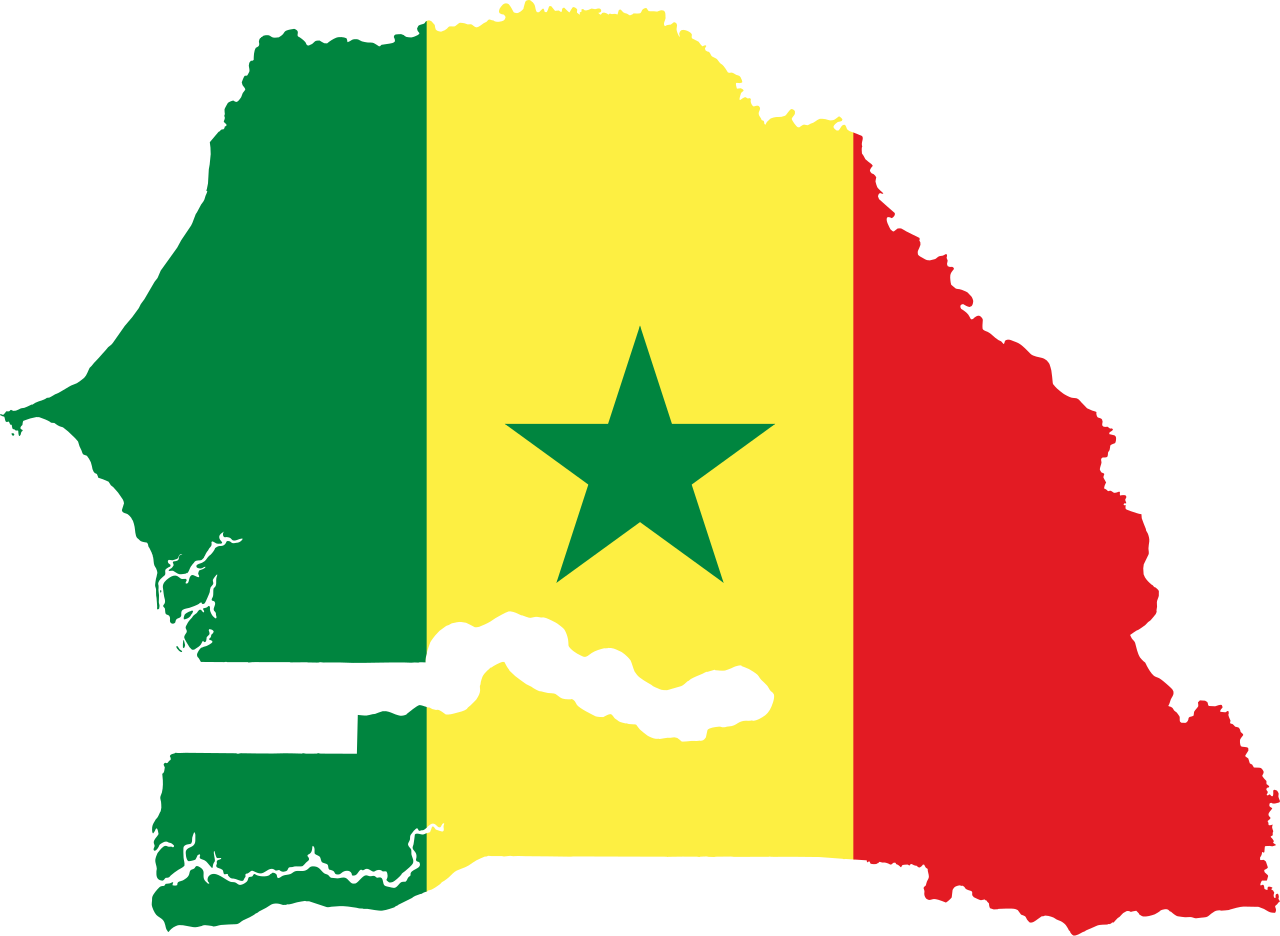
Senegal is a West African country where French is the official language, a legacy of its colonial past. It gained independence from France in 1960, but French remains widely used in education, administration, and media. Alongside French, many Senegalese speak local languages such as Wolof, which has strongly influenced everyday expressions and slang.
A deux-doigt refers to a "pickpocket", someone quick and discreet with their hands. In standard French, the term is the same as english: un pickpocket.
The word dara means "nothing" in Wolof and is often used in casual conversation to replace rien in French.
The verb dallaser means "to show off" or "to act flashy", and comes from the American TV show Dallas, which was extremely popular in Senegal. It is similar in meaning to the French expression rouler des mécaniques.

Côte d'ivoire
Ivory Coast is a West African country where French is the official language, inherited from its colonial past. Since gaining independence from France in 1960, French has remained the language of government, education, and media. However, daily speech is often enriched by local languages and a vibrant urban slang.
Nouchi is an Ivorian slang that blends French with local languages like Dioula and Malinké. It originated in Abidjan, the economic capital city, and is widely used among youth and in popular culture.
The verb enjailler means to enjoy, to love, or to savor something. It expresses enthusiasm and pleasure, similar to saying kiffer in France.
The expression avoir deux bouches literally means "to have two mouths" and is used to describe someone who is hypocritical or a liar. It is similar in meaning to the French expression avoir un double discours.